
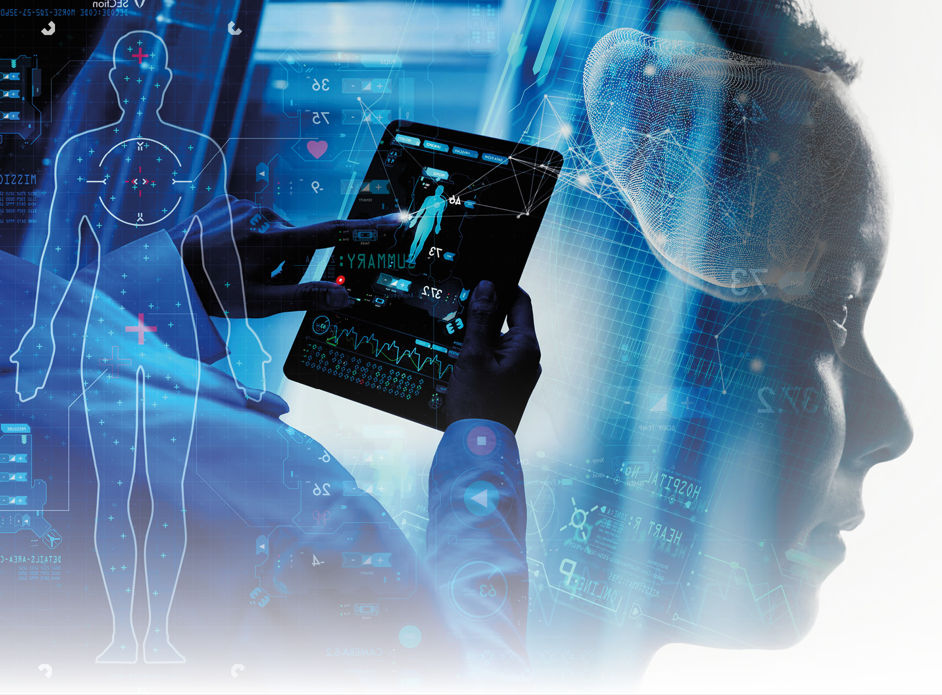
Cutting-Edge Medical Technology Advancements in 2025: Revolutionizing the Future of Healthcare
As 2025 draws to a close, the medical technology landscape is evolving at breakneck speed, promising a future where healthcare is more personalized, accessible, and efficient than ever before. From AI-driven diagnostics to gene editing breakthroughs, these innovations are set to slash treatment costs, enhance early detection, and extend lifespans. According to recent analyses, generative AI alone could accelerate drug discovery by years, potentially saving billions in R&D expenses. This article explores the latest medical technology advancements in 2025 and their transformative impact on healthcare delivery.
AI and Generative AI: Smarter Diagnostics and Drug Development
Artificial intelligence (AI) remains the cornerstone of 2025’s medical innovations, with generative AI leading the charge in drug discovery and patient care. Tools like AI agents now act as virtual copilots, triaging symptoms, scheduling tests, and even monitoring lifestyle factors in real-time. For instance, AI algorithms analyze medical imaging to detect breast cancer or strokes hours faster than human radiologists, reducing diagnostic errors by up to 30%.
Looking ahead, these technologies will democratize healthcare by enabling proactive interventions. In virtual hospitals—evolving from telehealth platforms—AI connects patients to global specialists remotely, addressing physician shortages and rural access gaps. By 2030, experts predict AI could cut global healthcare costs by 15%, freeing resources for preventive care and personalized therapies.
CRISPR and Precision Medicine: Tailoring Treatments to Your DNA
Gene editing has reached new heights with CRISPR combined with AI, allowing for precise, safer modifications to combat genetic diseases. In 2025, “CRISPR x AI” platforms simulate thousands of edits in hours, targeting conditions like cystic fibrosis and Huntington’s disease. Precision medicine, powered by genomic research, now customizes treatments based on individual genetics, environment, and lifestyle, minimizing side effects and boosting efficacy.
The future implications are profound: Expect routine gene therapies by the late 2020s, eradicating hereditary disorders at the source. This shift toward personalized medicine will improve outcomes for chronic illnesses, reducing hospital readmissions by 20-25% and empowering patients with at-home genetic kits for ongoing monitoring.
Wearables, Robotics, and Bioprinting: From Monitoring to Regeneration
Wearable health tech and the Internet of Medical Things (IoMT) dominate daily care in 2025, with devices tracking glucose, blood pressure, and even gut microbiomes via non-invasive sensors. Advanced surgical robotics, enhanced by AI navigation, perform minimally invasive procedures with millimeter precision, shortening recovery times by weeks.
Meanwhile, 3D bioprinting is fabricating custom organs and tissues to address transplant shortages. Neural implants and brain-computer interfaces (BCIs) are restoring mobility for paralysis patients, interfacing directly with the brain for seamless control. These advancements will foster a regenerative healthcare model, where wearables predict health crises before they occur, robotics ensure safer surgeries, and bioprinting eliminates donor waitlists—ultimately extending healthy lifespans by decades.
The Quantum Edge: Simulating the Impossible
Emerging quantum computing is the wildcard of 2025, enabling simulations of protein folding and drug interactions that classical computers can’t handle. Companies like IBM are piloting quantum tools for vaccine development, promising cures for complex diseases like Alzheimer’s.
In the future, quantum tech will supercharge big data analytics in devices, predicting epidemics and personalizing treatments at scale. This could halve drug development timelines, making cutting-edge therapies affordable and widespread.
A Healthier Tomorrow Awaits
The latest medical technology advancements in 2025—AI, gene editing, wearables, robotics, and quantum computing—are not just innovations; they’re blueprints for equitable, efficient healthcare. By prioritizing early detection, personalization, and accessibility, these tools will reduce disparities, lower costs, and enhance quality of life globally. As we stand on this precipice, the promise of a disease-free future feels closer than ever. Stay tuned for how these trends unfold, and consult your provider about integrating them into your wellness routine today.

0 Comments